Three parks by the sea
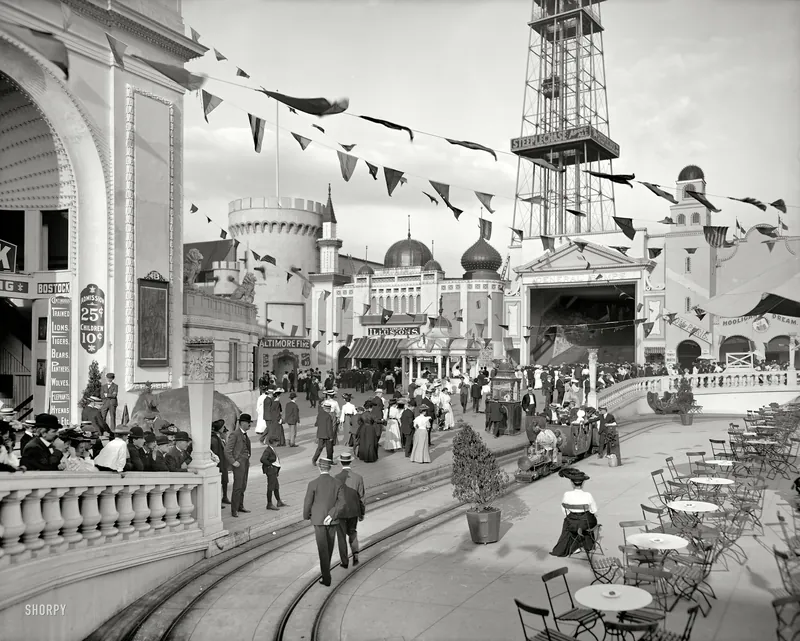
Steeplechase, Luna Park and Dreamland stood side by side in Brooklyn. Between them they invented the modern amusement park. None of them is left.
Coney Island became a destination as early as 1824, when its first oceanfront resort, the Coney Island House, opened. NYU Libraries After the American Civil War, new train lines linked it to the rest of Brooklyn and beyond, and the visitors followed. NYU Libraries
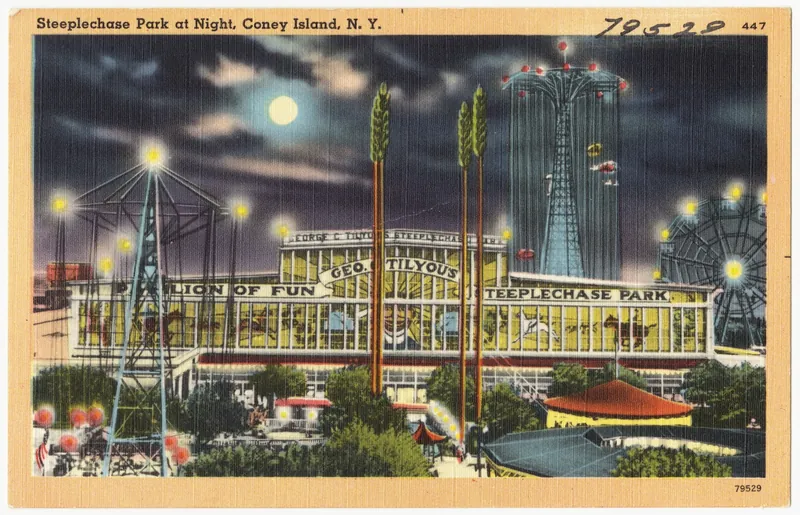
Steeplechase Park, 1897
Steeplechase Park opened in 1897, with shows and rides such as the Steeplechase Horses, the Human Roulette Wheel and the Blowhole Theater. NYU Libraries It burned to the ground in 1907, and work to rebuild it began at once. PBS
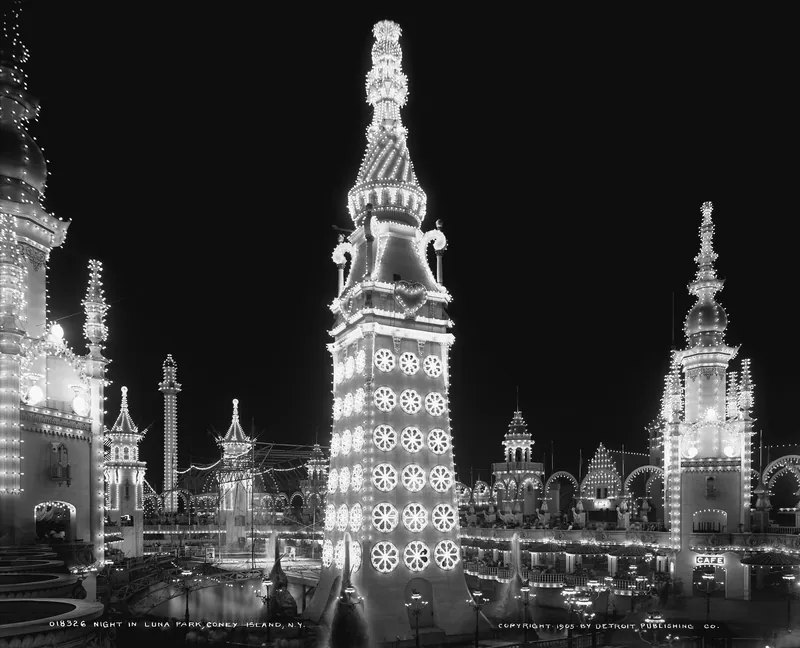
Luna Park, 1903
Frederic Thompson and Elmer “Skip” Dundy opened Luna Park in 1903, a year after running their “Trip to the Moon” ride at Steeplechase. PBS It offered the Trip to the Moon, the Helter Skelter Slide and the Dragon’s Gorge, lit at night by thousands of electric lights. NYU Libraries
By 1904 Luna Park was drawing 90,000 people a day in its busy season. NYU Libraries It closed in 1946. PBS
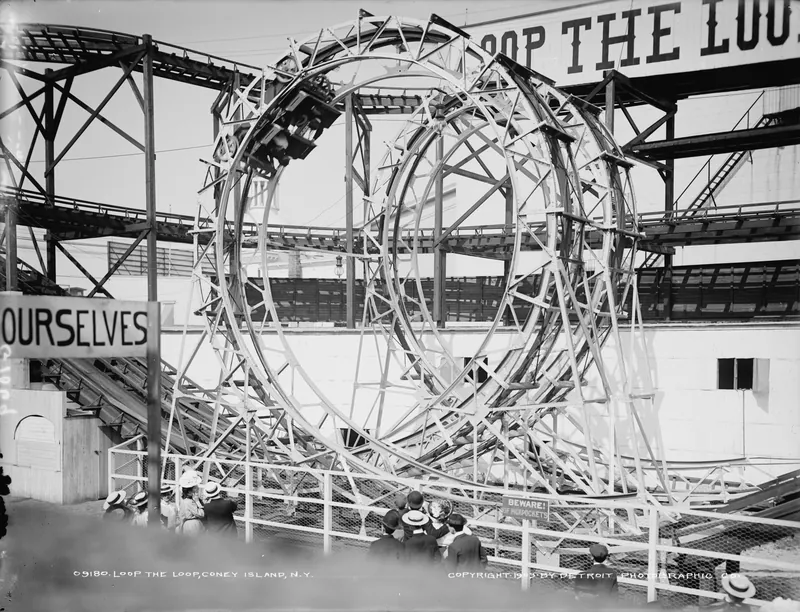
Dreamland, 1904–1911
Senator William Reynolds and a group of local speculators opened Dreamland in 1904. PBS Its attractions were inspired by faraway places, such as a Japanese Tea Garden and the Fall of Pompeii, around a lagoon with rides like the Haunted Swing and Shooting-the-Chutes. NYU Libraries
In 1911 a major fire destroyed most of Dreamland’s attractions and killed many of the animals used in its shows. The park closed soon after. NYU Libraries The Library of Congress holds a panoramic photograph of the ruins, deposited for copyright in June 1911. Library of Congress
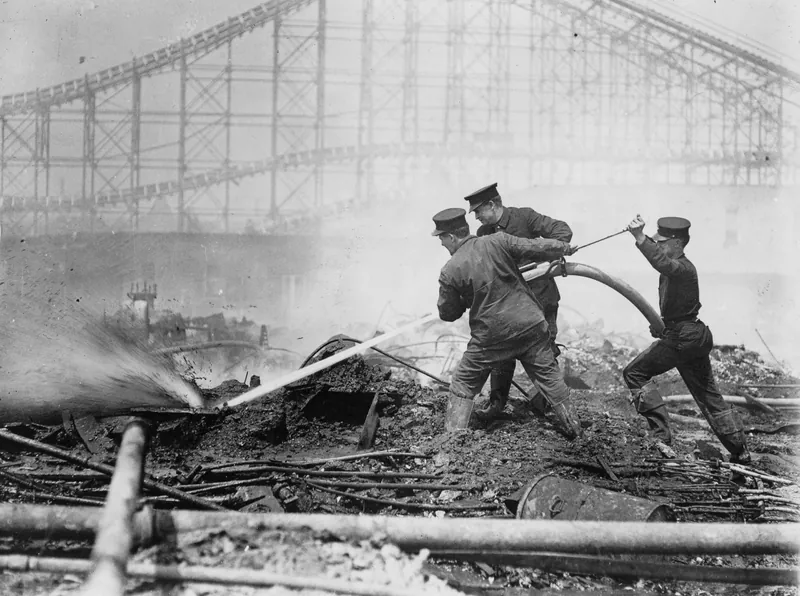
Even then, the show went on: Samuel Gumpertz opened the Dreamland Circus Sideshow while the ruins were still smoking. PBS
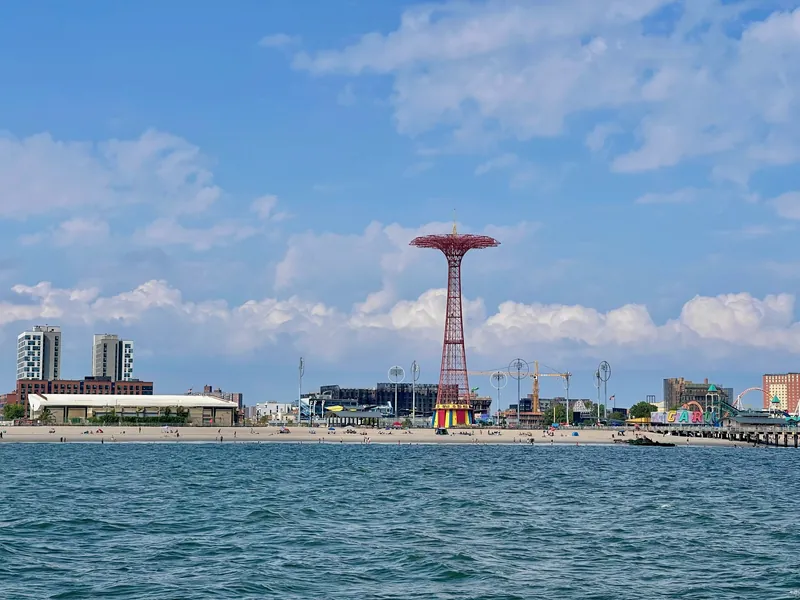
The tower that stayed
The Parachute Jump stopped when Steeplechase Park closed in 1964; the Tilyou family had kept it running until then. Coney Island History Project It never made money: stiff ocean breezes kept it closed much of the time. Coney Island History Project Today it is a protected landmark, standing as a symbol of Coney Island’s survival. Coney Island History Project